What Are Sinus Headaches?
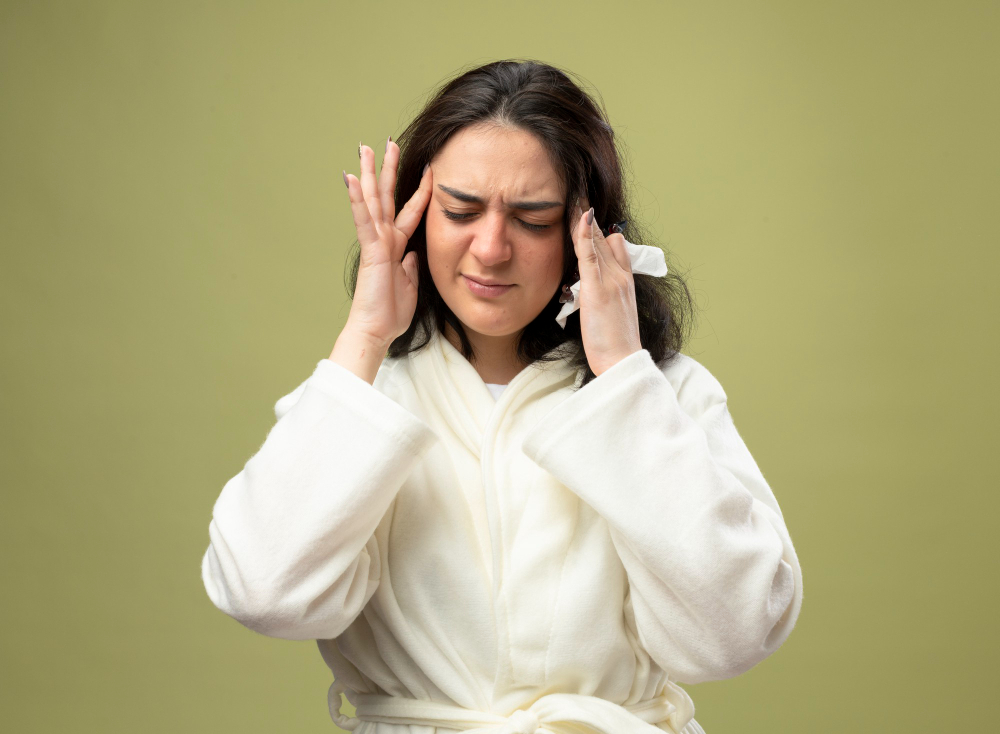
Sinus headaches are a common problem for many people. They happen when the sinuses, which are air-filled spaces in your face, become swollen or infected. Because of this swelling, you may feel pain or pressure in your forehead, cheeks, or around your eyes. Often, people confuse sinus headaches with migraines. However, sinus headaches have some unique signs. If you want to know how to relieve sinus headaches, it helps to understand what causes them first.
Common Symptoms of Sinus Headaches
Sinus headaches can make daily life hard. But knowing the symptoms can help you spot them early. For example, you may notice:
However, not everyone has all these symptoms. Sometimes, sinus headaches can feel like other types of headaches. That is why it is important to know the differences, such as sinus headache vs migraine.
Causes and Risk Factors
Sinus headaches usually happen when the sinuses get blocked or infected. This can be due to:
In addition, some people are more likely to get sinus headaches. For instance, you may be at higher risk if you:
According to the Indian Medical Association (IMA), sinus infections are one of the leading causes of sinus headaches in India. The condition is prevalent due to factors such as pollution, allergies, and climate changes.
How Sinus Headaches Are Diagnosed
Doctors use several steps to diagnose sinus headaches. First, they ask about your symptoms and medical history. Next, they may check your nose and face. Sometimes, they gently press on your sinuses to see if it hurts. In some cases, your doctor may order tests, such as:
Because sinus headaches can look like migraines or tension headaches, seeing an ENT specialist for sinus headaches can help you get the right diagnosis.
Treatment Options for Sinus Headaches
There are many ways to treat sinus headaches. Your doctor may suggest:
Besides medical treatments, you can try home remedies. For example:
However, always talk to your doctor before starting new treatments. This is especially true if you have other health problems.
Prevention Tips and Lifestyle Guidance
Preventing sinus headaches can make life easier. Here are some tips:
In addition, keeping your home clean and dust-free can help. If you have allergies, talk to your doctor about allergy shots or medicines.
When to See a Doctor
Sometimes, sinus headaches need medical care. You should see a doctor if you:
Also, if home remedies do not help, it is time to get expert advice. An ENT specialist for sinus headaches can find the cause and suggest the best treatment.
Conclusion
Sinus headaches can be painful, but many treatments are available. Early care and prevention can make a big difference. If you have questions or ongoing symptoms, consult Dr. Ramya R for personalised advice on managing sinus headaches and long-term relief.