What is Obstructive Sleep Apnea?
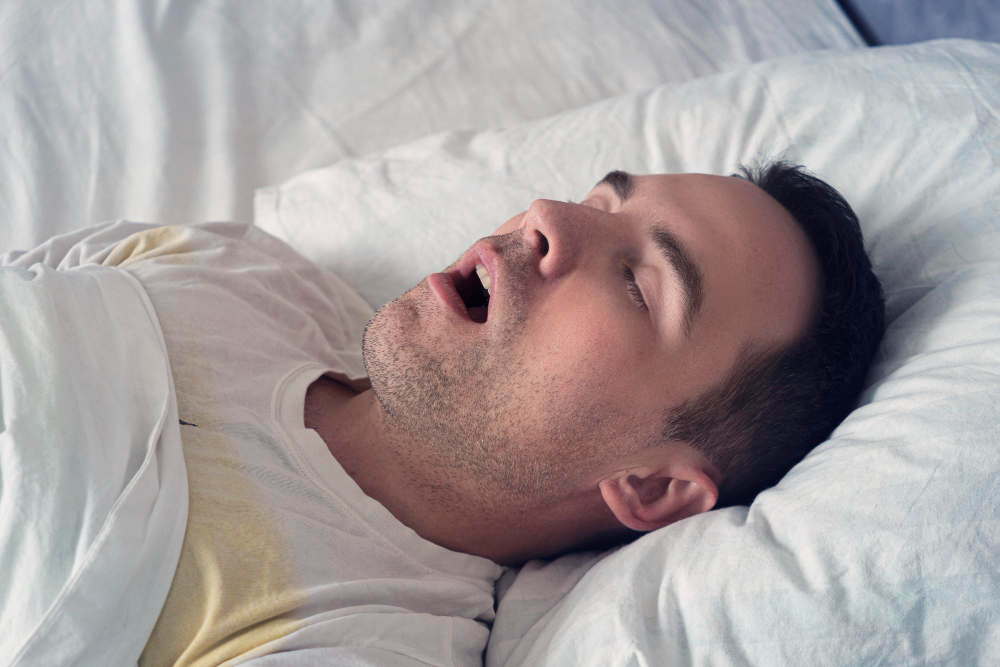
Obstructive sleep apnea is a common sleep disorder. It happens when your throat muscles relax too much during sleep. As a result, your airway becomes blocked. This blockage causes breathing to stop and start many times at night. Because of this, your body may not get enough oxygen. According to the CDC, obstructive sleep apnea affects millions of people worldwide. Early detection is important for better health.
Common Symptoms
Many people with obstructive sleep apnea do not know they have it. However, some signs can help you spot the problem. For example, you may notice:
Sometimes, children with sleep apnea may show different symptoms. For instance, they might have trouble focusing at school or act out.
Causes and Risk Factors
Obstructive sleep apnea happens when the muscles in your throat relax. Because of this, the airway narrows or closes. Several factors can raise your risk:
In addition, certain medical conditions, like high blood pressure, can increase your risk.
Diagnosis Methods
If you have symptoms of obstructive sleep apnea, your doctor may suggest a sleep study. This test is called polysomnography. During the study, sensors track your breathing, heart rate, and oxygen levels while you sleep. Sometimes, you can do a home sleep apnea test. However, a full sleep study in a clinic gives more details. Your ENT specialist will review the results and explain the next steps.
Treatment Options
Treatment for obstructive sleep apnea depends on how severe your symptoms are. Your doctor may suggest:
For many people, using a CPAP machine is the most effective treatment. According to the American Academy of Sleep Medicine, CPAP can improve sleep quality and reduce health risks.
Lifestyle Tips and Prevention
There are simple steps you can take to lower your risk. For example, you can:
Because prevention is easier than treatment, these habits can help you avoid sleep apnea or reduce its impact.
When to See a Doctor
If you notice signs of obstructive sleep apnea, do not ignore them. For instance, loud snoring, daytime sleepiness, or pauses in breathing are warning signs. In such cases, make an appointment with an ENT specialist. Early diagnosis and treatment can improve your health and quality of life.
In summary, obstructive sleep apnea is a serious but treatable condition. If you have concerns, consult Dr. Ramya for personalized advice and care.