Introduction
Nosebleed in winters is a common problem for many people. It means bleeding from the nose that often happens during the cold months. Dry air, indoor heating, and chilly winds can make the inside of your nose dry and cracked. As a result, nosebleeds are more likely in winter than in other seasons. Understanding why this happens can help you prevent and treat it easily.
What is a Nosebleed?
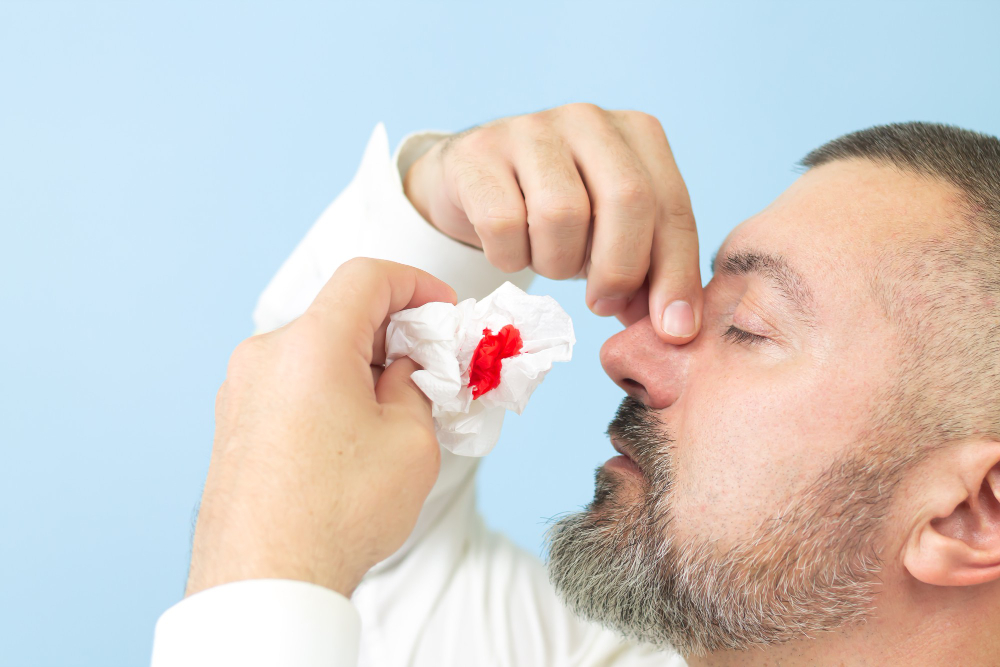
A nosebleed is when blood comes out from one or both nostrils. Most nosebleeds start in the front part of the nose. This area has many tiny blood vessels that can break easily. Usually, nosebleeds are not serious. However, they can be scary, especially for children and older adults.
Why Are Nosebleeds More Common in Winter?
During winter, the air outside is cold and dry. Indoor heating systems also make the air inside your home dry. Because of this, the lining inside your nose loses moisture. When the nose becomes dry, it can crack and bleed more easily. In addition, blowing your nose often during a cold or flu can make things worse. Therefore, nosebleeds are more common in winter than in warmer months.
Common Causes of Nosebleed in Winters
Several factors can lead to nosebleed in winters. Here are some common causes:
Sometimes, medical conditions or certain medicines can also make nosebleeds more likely. But in winter, dryness is the main reason.
Symptoms and Warning Signs
Most nosebleeds are easy to spot. You may notice:
Usually, nosebleeds stop on their own. However, you should watch for warning signs. For example, seek help if:
How to Prevent Nosebleeds in Winter
There are simple steps you can take to prevent nosebleeds during cold weather. For instance, you can:
Additionally, you can try saline nasal sprays to keep your nose moist. These sprays are safe and easy to use.
Home Remedies and First Aid
If you get a nosebleed in winter, do not panic. Instead, follow these steps to stop the bleeding:
Do not tilt your head back or lie down. This can make blood go into your throat or stomach. If the bleeding stops, avoid blowing your nose for a few hours. This helps prevent another nosebleed.
When to See a Doctor
Most nosebleeds are not serious. However, you should see a doctor if:
According to the CDC and WHO, frequent or severe nosebleeds may need medical care. Sometimes, an ENT specialist can help find the cause and suggest the best treatment.
If you experience frequent or severe nosebleeds in winter, consult Dr. Ramya R, ENT specialist, for personalized advice.